Leaks & Water Damage
Repiping a House in South Florida: Costs, Timeline, What to Expect
Published November 2, 2026 · By the PlumbCove team
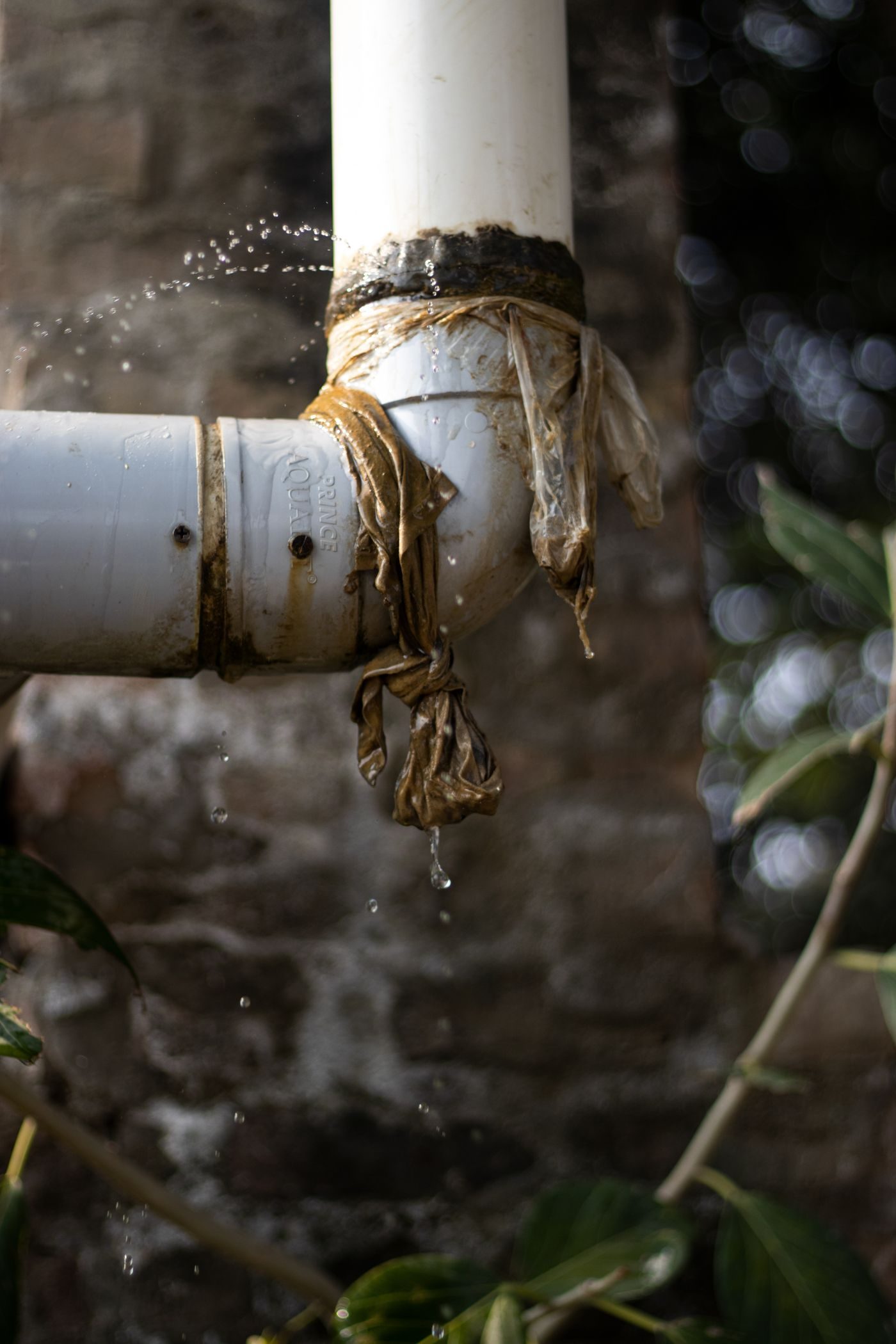
Every house in Miami-Dade and Broward eventually faces the question. The pipes installed decades ago — galvanized steel that rusts from the inside, early copper now pinholing, polybutylene from a certain era of construction — reach the point where fixing one leak just schedules the next one. Repiping replaces the home's water supply lines wholesale instead of chasing failures one wall at a time.
It is a significant project, and homeowners deserve a straight account of it before they collect quotes: what drives the price, how many days the work really takes, whether you can stay in the house, and what the walls look like when it is done. This guide gives you that account, plus the signs that separate a home that truly needs repiping from one that needs a repair.
The Signs a House Needs Repiping, Not Another Repair
One leak is a repair. A pattern is a repipe conversation. The pattern usually looks like this: pinhole leaks recurring in different places, water that runs rusty or discolored after sitting overnight, pressure that has faded year over year as corrosion narrows the pipes from inside, or a water bill and repair invoices that keep climbing. Galvanized pipe in particular fails by constriction as much as by leaking — the inside diameter shrinks until showers weaken whenever a second fixture runs.
Age and material frame the odds. Galvanized steel commonly serves roughly 40 to 50 years before corrosion dominates; much of South Florida's older housing stock in Miami, Hialeah, Fort Lauderdale, and Hollywood is well past that on original pipe. A plumber can confirm the picture with pressure testing and by inspecting exposed runs in the attic, garage, or utility areas. If the diagnosis is one bad section, replace the section. If the same failure is distributed through the system, repiping is the honest recommendation.
- ▸Recurring pinhole leaks in different locations
- ▸Rusty or discolored water, especially first thing in the morning
- ▸Steadily declining water pressure across the whole house
- ▸Original galvanized or polybutylene pipe past its service life
- ▸Repair bills adding up toward a meaningful share of a repipe quote
What Repiping Costs in South Florida — and What Moves the Number
Whole-house repiping in South Florida commonly falls in a broad range of about $4,000 to $15,000 or more, and where a specific home lands depends on factors a quote should name. Any narrower promise made without seeing the house is a guess. The biggest drivers are the home's size and bathroom count (every fixture is a run of pipe and a connection), whether the house is one story with attic access or two stories with lines threaded between floors, and the material chosen — PEX, which is flexible, fast to run, and well suited to Florida attic work, generally costs less in labor than rigid copper.
Scope details move the number further: whether the quote includes patching and texture-matching the drywall openings (some plumbers patch, some leave openings for your drywaller), permit fees, and whether aging shut-off valves, hose bibbs, and the main supply line are included or extra. When you compare quotes, normalize those four items — material, fixture count, patching, and permits — and quotes that looked far apart often turn out to be pricing different jobs.
The Timeline: How the Days Actually Go
For a typical one-story South Florida home, the pipe work itself most often takes two to four days; larger or two-story homes can run toward a week. A common rhythm: day one is rough-in — the new lines are run through the attic and walls to every fixture, usually in PEX, while the old system still works. The changeover, when water is shut off and fixtures are connected to the new lines, is typically a matter of hours within one day, not days without water. Inspection follows where the permit requires it, then patching of the access openings.
Most homeowners stay in the house through a repipe. Expect noise during work hours, furniture moved away from walls near fixtures, and a planned water shutoff window on changeover day that your plumber should give you the day before so you can fill tubs and plan around it. Ask two scheduling questions before signing: how many total days, and exactly when will the water be off. A contractor who answers both plainly has run this job before.
What to Expect in the Walls — Openings, Patching, and Permits
Repiping does not demolish walls. Crews open small, targeted access holes — typically behind fixtures, at manifolds, and where lines turn — and fish the flexible new pipe through. In a typical house that means a series of modest drywall openings rather than gutted rooms, but it does mean openings, and you should walk the house with the plumber beforehand and agree on where they will be and who patches them.
In Miami-Dade and Broward, repiping is permitted work, and the permit matters to you beyond compliance: it triggers an inspection of the new system and creates the paper trail a future buyer or insurer may ask for. Get the permit number, keep the final inspection record with your house documents, and confirm the quote includes pressure testing of the new lines before walls are closed. If a quote waves off permitting entirely, that is a reason to keep looking.
Getting a Repiping Quote You Can Trust
Collect at least two written quotes, and judge them on specificity: material named, fixture count listed, patching and permits stated, timeline and water-off windows committed in plain language. Ask what the new system is warranted for and what happens if a leak appears in the first year. A repipe done once, correctly, should end the leak era of the house for decades — that is the entire point of the investment.
PlumbCove connects South Florida homeowners with independent local plumbing providers for repiping evaluations. Request a local pro through our repiping page, or call 786-741-7667, and tell us your home's age, pipe material if you know it, and the problems you have been seeing. We will match your request with a provider who can inspect in person and quote in writing. You hire the provider directly — we simply make the connection.
Rather have a pro look at it?
If the checks above point past the safe DIY line, request a local pro for Repiping — or call 786-741-7667. One request, independent local providers, you choose who to hire.