Leaks & Water Damage

Low Water Pressure in One Room vs. the Whole House

Published November 5, 2026 · By the PlumbCove team
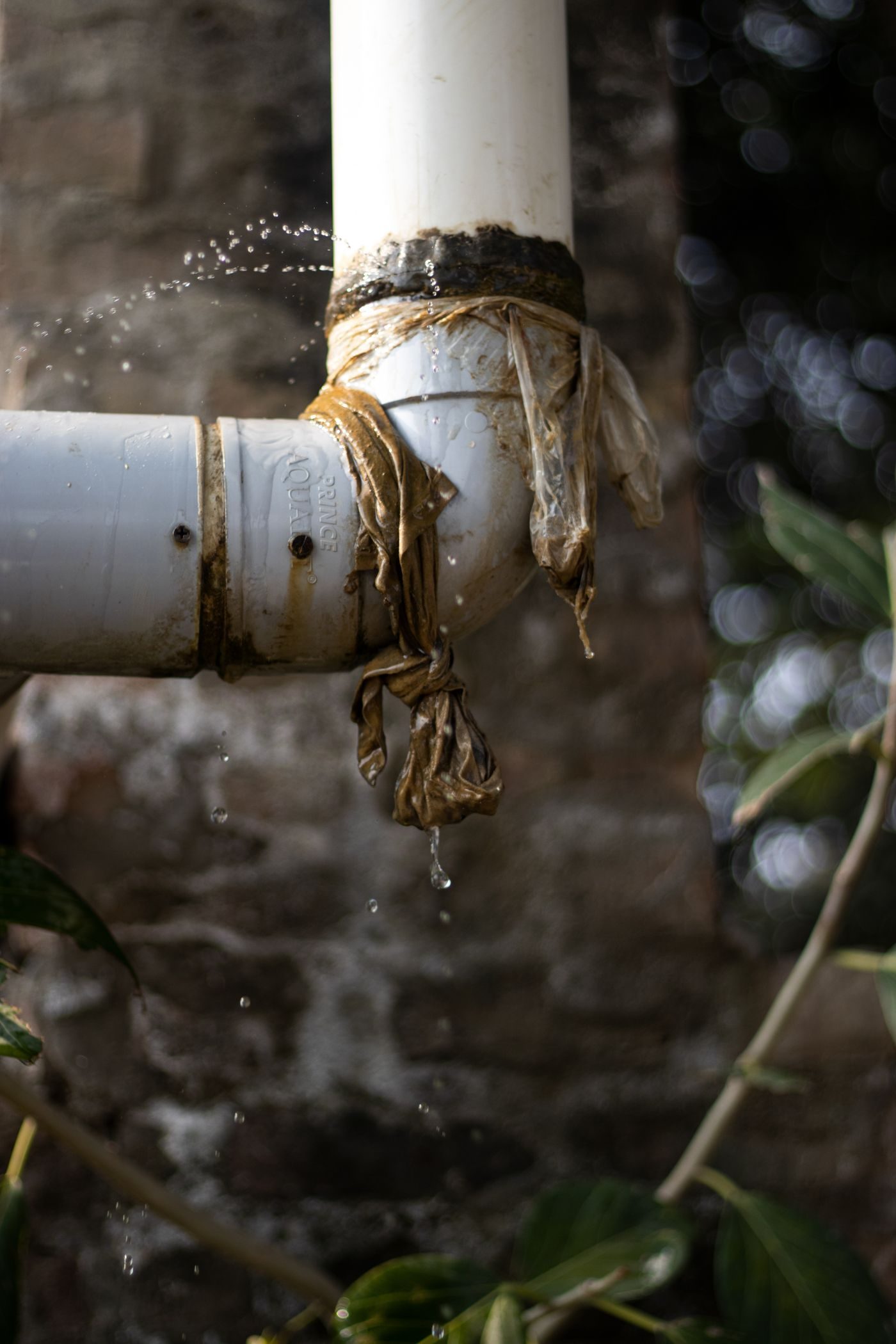
Old pipe joint leaking water

Few plumbing complaints get misdiagnosed as often as low water pressure, because the phrase covers at least six different problems with six different fixes. The single most useful question is scope: is the weak flow at one fixture, in one room, or everywhere in the house? In South Florida homes, each answer points at a short, specific list of causes.

This guide works through both patterns — one room and whole house — with the safe checks a homeowner in Miami-Dade or Broward can do in an afternoon, and the point where the pattern stops being a fixture problem and starts being a leak detection problem.

One Fixture or One Room: Start at the Smallest Suspect

When only one faucet is weak, the cause is usually at that faucet. The aerator — the small screen where the water comes out — traps sediment and mineral grit, and South Florida water delivers plenty of both. Unscrew the aerator, rinse out the debris, and run the tap without it: strong flow without the aerator means the screen was the problem. Showerheads clog the same way and respond to the same soak-and-rinse treatment.

When every fixture in one room is weak but the rest of the house is fine, think one step upstream: that room's branch line or its shutoff valves. Angle stops under a sink and the valves behind a shower are often found half-closed after an old repair, and in older Miami homes a single corroded section of galvanized or aging copper branch line can strangle one bathroom while the kitchen runs perfectly.

  • ▸One faucet weak: check and clean the aerator first
  • ▸One shower weak: remove and soak the showerhead; check its shutoff valves
  • ▸One room weak: look at that room's valves and branch line condition
  • ▸Weak only on hot: the water heater side — sediment, valves, or a failing heater line

The Whole House Is Weak: Valves, Regulator, and the Main Line

Whole-house low pressure that appeared gradually usually traces to the entry point. The main shutoff valve and any valve at the meter may not be fully open — a common leftover after any past plumbing or irrigation work. Homes with a pressure-reducing valve (a regulator) can lose pressure house-wide as that valve ages and fails toward closed; regulators have a service life, and a sudden drop after years of normal pressure is a classic symptom.

Gradual whole-house decline in an older home also fits internal corrosion: galvanized and older steel lines narrow from the inside over decades, and the flow loss is worst at upstairs and far-end fixtures. If neighbors on your Fort Lauderdale or Miami street have normal pressure and yours does not, the problem is on your side of the meter — which the meter comparison below can confirm.

The Sudden Drop: When Low Pressure Means a Leak

Pressure that was fine last week and is weak today is a different animal. A significant leak on a supply line diverts flow around the clock, and pressure at the taps is often the first symptom — before the water bill arrives and before any spot on the floor feels warm or damp. Treat a sudden, unexplained whole-house drop as a possible hidden leak until you have ruled one out.

Run the meter test: turn off every water use in the home, then watch the meter's leak indicator. Movement with everything off means water is going somewhere it should not. Pair that with a look at the water bill compared with the same month last year. A pressure drop plus a moving meter or a spiked bill is not a wait-and-see combination — it is the leak detection pattern, and under-slab leaks in South Florida do not get smaller with time.

Checks You Can Do This Afternoon, in Order

Start with the pattern questions: one fixture, one room, or whole house; hot side, cold side, or both; sudden or gradual. Then clean the aerator or showerhead at the worst fixture, confirm the main shutoff and any fixture valves are fully open, and ask a neighbor or check an outside hose bib nearest the meter — strong pressure at the bib with weak pressure indoors points inside the house, while weak pressure at the bib points toward the service line or the street side.

Write down what you find as you go. Which fixtures, which side, when it started, and what the meter did are exactly the facts that let a provider skip the guessing stage — and they protect you from paying to fix a regulator when the real problem is a branch line, or the reverse.

  • ▸Map it: fixture vs. room vs. whole house, hot vs. cold, sudden vs. gradual
  • ▸Clean aerators and showerheads at the weakest fixtures
  • ▸Confirm main and fixture shutoff valves are fully open
  • ▸Compare pressure at the hose bib nearest the meter with an indoor tap
  • ▸Run the meter test if the drop was sudden

When the Pattern Points to a Provider

Bring in a provider when pressure is low across the house with no valve or regulator explanation, when the meter moves with everything off, when only one room is affected and its valves are open (the branch line itself is the suspect), or when weak pressure arrives with a bill spike, warm floor spots, or the sound of running water in a quiet house. Those combinations describe pipe condition and hidden leaks — diagnosis needs pressure testing and detection equipment, not another fixture swap.

PlumbCove connects South Florida homeowners with independent local plumbing providers for leak detection. Request a local pro through our leak detection page, or call 786-741-7667. You hire the provider directly — we simply make the connection.

Rather have a pro look at it?

If the checks above point past the safe DIY line, request a local pro for Leak Detection — or call 786-741-7667. One request, independent local providers, you choose who to hire.
Request a Local Pro

Tell us what's going on. We'll share your request with independent local plumbing providers who can contact you about it.

A photo of the unit, the label plate, or the problem helps a pro come prepared. Max 5 MB.

By submitting, you agree that PlumbCove may share this request with one or more independent local service providers so they can contact you about your service request by phone, text, or email. PlumbCove is a matching service, not the service provider, and may receive compensation for referrals. Message/data rates may apply. Reply STOP to opt out of texts.

How PlumbCove works: PlumbCove is a free matching service. We connect South Florida homeowners with independent local plumbing providers. Providers are independent businesses — not our employees — and we may receive compensation for referrals. You choose who to hire, and your agreement is directly with the provider.

Quick answers

Why is my water pressure low in only one bathroom?

One room usually means that room's branch line or its valves: check that the room's shutoff valves are fully open, and in older homes suspect a corroded section of branch pipe feeding just that room. If every fixture in the room is affected on both hot and cold, the cause is upstream of the fixtures, not in them.

Can low water pressure be a sign of a hidden leak?

Yes — especially a sudden drop. A supply leak diverts flow continuously, so pressure falls before damage shows. Confirm with the meter test: with all water use off, a moving leak indicator means water is escaping somewhere.

Why is my pressure fine at the hose bib but weak indoors?

That pattern places the restriction inside the house, past the entry point — commonly a failing pressure-reducing valve, a partially closed main shutoff, or corroded indoor piping — rather than the service line or the municipal supply.

How do I get matched with a local provider for leak detection?

Use the Request a Local Pro form on our leak detection page or call 786-741-7667. PlumbCove shares your request with independent local plumbing providers in Miami-Dade and Broward who can contact you about the work. You hire the provider you choose directly.

More guides

Street manhole cover over a sewer line

Drains & Sewers

Clogged Drain in Miami: What a Plumber Does That a Plunger Can't

A plunger handles a shallow clog. When the clog is grease ten feet down, roots in the main line, or cast iron rotting under a Miami slab, a plumber brings tools — and a camera — that work on a different level.

Old pipe joint leaking water

Leaks & Water Damage

Leak Detection in South Florida: Signs There's a Hidden Leak

Hidden leaks rarely announce themselves with a drip you can see. They show up as a water bill that doubled, a warm patch of tile, a meter that moves at midnight. Here are the signs — and how detection actually works.

Hands adjusting the controls on a water heater

Water Heaters

Water Heater Replacement in Fort Lauderdale: Costs and Choices

There is no single price for a water heater in Fort Lauderdale — there is a range, and it moves with tank size, fuel, code upgrades, and whether you go tankless. Here is the honest breakdown.

Street manhole cover over a sewer line

Drains & Sewers

How Much Does a Plumber Cost in Miami? An Honest Breakdown

There is no single plumber price in Miami — there are three pricing models, a service call fee, and a set of local factors (cast iron, condos, permits) that move the number. Here is how the money actually works.

Street manhole cover over a sewer line

Drains & Sewers

Sewer Line Repair in Miami: Warning Signs and Your Options

A failing sewer line whispers before it shouts: every drain slow at once, a gurgle in the toilet, a mysteriously green patch of lawn. In Miami's cast iron neighborhoods, those whispers deserve a camera — here's what to watch for and what your options are.

Hands adjusting the controls on a water heater

Water Heaters

Tank vs. Tankless Water Heaters: Which Fits a Fort Lauderdale Home?

Tank stores hot water; tankless makes it on demand. In Fort Lauderdale the right answer turns on your busiest hour, Broward's hard water, and how long you'll stay in the home — not on which unit a salesperson prefers.

Street manhole cover over a sewer line

Drains & Sewers

Slow Drains in Every Sink? It Might Not Be a Simple Clog

One slow drain is a clog. Every drain slowing at once is a message from further down the line. Here is how to read the pattern in a South Florida home — and why plunging harder will not fix it.

Hands adjusting the controls on a water heater

Water Heaters

No Hot Water: 5 Checks Before You Call Anyone

A cold shower does not always mean a dead water heater. Five checks — most take under ten minutes total — separate a simple reset from a real failure, and tell you exactly what to report if you do call.

Street manhole cover over a sewer line

Drains & Sewers

Garbage Disposal Jammed, Leaking, or Dead: A Troubleshooting Guide

Most disposal failures are one of four problems, and two of them are safe five-minute checks. Work through them in order — power off, hands out — and know exactly when the fix stops being yours.

Old pipe joint leaking water

Leaks & Water Damage

Slab Leaks Explained: The Florida Problem Hiding Under Your Floor

Much of South Florida is built slab-on-grade, with water lines running under the concrete. When one leaks, the signs are subtle and the water bill is not. Here is how slab leaks show themselves and how pros find them without tearing up the whole floor.

Old pipe joint leaking water

Leaks & Water Damage

Running Toilet, Dripping Faucet: Small Leaks, Real Money

A toilet that refills itself and a faucet that drips all night are not quirks — they are metered water leaving your house around the clock. Here is what they cost, what causes them, and where the DIY line sits.

Street manhole cover over a sewer line

Drains & Sewers

Cast Iron Pipes in Older Miami Homes: What Homeowners Should Know

If your Miami home was built before the late 1970s, its drain lines are probably cast iron — and cast iron in South Florida soil has a lifespan that many of those homes have now reached. Here is how it fails, how to spot it early, and how the repair decisions actually get made.

Street manhole cover over a sewer line

Drains & Sewers

Sewer Smell in the House: Causes That Aren't Your Imagination

It comes and goes. It is worse on some days, in some rooms, and guests notice it before you do. A sewer smell indoors is not a housekeeping failure and it is not your imagination — it is sewer gas taking a path it should never have, and each path has a specific cause and fix.

Hands adjusting the controls on a water heater

Water Heaters

Water Heater Flushing: Why Florida Sediment Builds Up Fast

That rumbling, popping sound from your water heater is not the tank aging out loud for fun — it is sediment, baked onto the bottom of the tank by Florida's mineral-heavy water, forcing the burner or elements to work through a layer of rock. Here is why it builds up fast here, and what flushing does about it.

Old pipe joint leaking water

Leaks & Water Damage

Repiping a House in South Florida: Costs, Timeline, What to Expect

Repiping sounds like the biggest plumbing job a house can get — because it is. But for older South Florida homes with corroding galvanized or failing cast iron-era plumbing, it is also the job that ends years of leaks, rusty water, and pressure problems at once. Here is what it costs, how long it takes, and what living through it is actually like.

Old pipe joint leaking water

Leaks & Water Damage

Burst Pipe at 2 AM: Shut It Off First, Then Read This

A burst pipe does not wait for business hours, and the damage is measured in minutes, not in the size of the break. The single most valuable thing you can do costs nothing: shut the water off. Here is the order of operations for the first half hour, what not to do, and how the repair itself usually goes.

Street manhole cover over a sewer line

Drains & Sewers

Tree Roots in Sewer Lines: A South Florida Constant

In South Florida, tree roots in the sewer line are not bad luck — they are the predictable result of thirsty roots, aging pipes, and a growing season that never stops. Here is how roots get in, the signs they give you, and the real menu of fixes from maintenance cutting to full replacement.

Street manhole cover over a sewer line

Drains & Sewers

Camera Inspections: When a Sewer Scope Is Worth Paying For

A sewer camera does not fix anything — it tells you the truth about the pipe. For recurring backups, older cast iron, and any quote that involves digging in Miami or Fort Lauderdale, that truth is usually worth paying for. For a simple one-fixture clog, it often is not.

Street manhole cover over a sewer line

Drains & Sewers

Hurricane Season Plumbing Prep: Drains, Backflow, and Flooding

Hurricane plumbing problems in South Florida rarely start with the storm itself — they start with a drain that was already slow and a sewer system already near its limit. Here is how to prep drains and backflow protection in Miami-Dade and Broward, and what to do after the water recedes.

Old pipe joint leaking water

Leaks & Water Damage

Buying an Older Home in Miami? The Plumbing Checks That Matter

Older Miami homes carry plumbing with a history: cast iron drains, galvanized or polybutylene supply lines, and water heaters past their prime. Here are the checks that tell you what you are really buying — before the repair bills become yours.

Hands adjusting the controls on a water heater

Water Heaters

Why Does My Water Smell Like Rotten Eggs?

A rotten-egg smell from the tap is one of the most common water complaints in South Florida homes — and most of the time the culprit is not your water supply at all, but a harmless bacteria thriving in your water heater. Here is how to tell where the smell lives and what actually fixes it.

Hands adjusting the controls on a water heater

Water Heaters

Hard Water in South Florida: What It Does to Pipes and Appliances

South Florida water comes out of a limestone aquifer, and it brings the limestone with it. Here is what that mineral load does inside your pipes, water heater, and appliances over time — and which responses actually help.

☎ Call NowRequest Service