Drains & Sewers

Hurricane Season Plumbing Prep: Drains, Backflow, and Flooding

Published November 7, 2026 · By the PlumbCove team
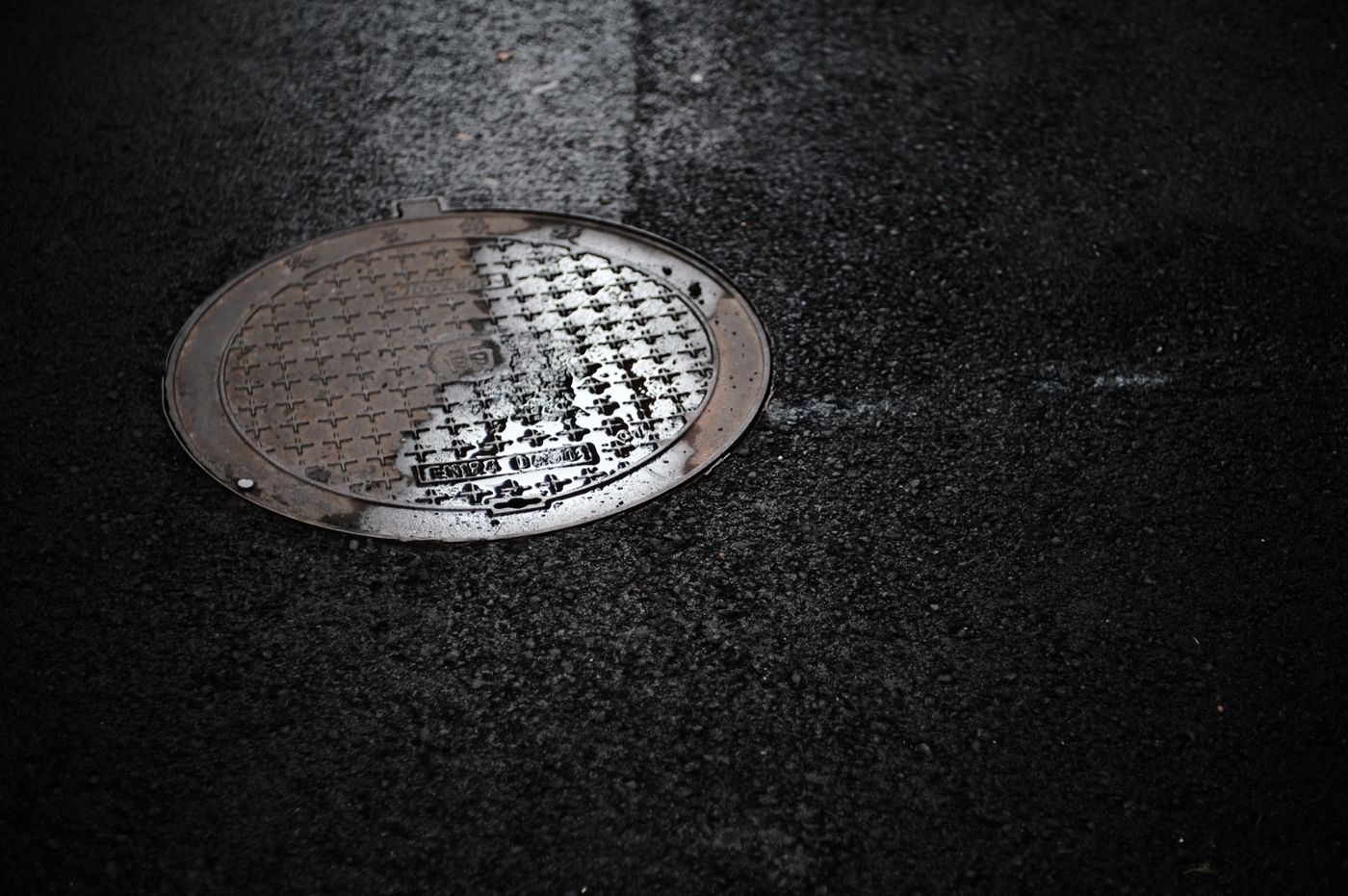
Street manhole cover over a sewer line

When a hurricane or a heavy tropical storm pushes through South Florida, the plumbing failures that flood homes are usually not dramatic pipe bursts. They are quieter: a main line that was already half-blocked with roots and grease, a backflow preventer that has not been tested in years, a city sewer system surcharged with stormwater that pushes back toward the lowest drain in the house. The storm finds the weakness that was already there.

Hurricane season runs June 1 through November 30, and the prep below applies before any named storm — and honestly, before any stretch of heavy rain in Miami-Dade or Broward. It covers clearing drains ahead of time, backflow preventers and testing, what sewer surcharge means for your home, locating your shut-offs, notes for septic systems, and the post-storm habits that keep a bad situation from getting worse.

Clear Drains Before the Storm, Not During It

A drain that is slow in dry weather will not get faster when a storm drops inches of rain and every system in the neighborhood is working at its limit. If a sink, tub, or floor drain has been sluggish, gurgling, or backing up in recent months, schedule a clearing while the weather is calm — that is when a provider can run an auger or a camera, find out whether the cause is grease, roots, or aging cast iron, and fix it on a normal timetable instead of an emergency one. Older homes in Miami, Hialeah, and Fort Lauderdale with original cast iron lines deserve particular attention, because a partially channeled line can pass normal use and still fail under storm load.

Outside the house, the same logic applies at ground level. Keep yard drains, driveway drains, and patio drain grates clear of leaves, mulch, and storm debris you can safely remove, and make sure the outdoor end of drain cleanouts is accessible, not buried under landscaping. Do not open sewer cleanout caps to drain your yard — that invites stormwater into the sewer system and sewage back toward homes — and never try to clear a main line during the storm itself, when lines may be surcharged and conditions outside are unsafe.

  • ▸Book clearing for any slow, gurgling, or repeat-clog drain while the weather is calm
  • ▸Keep yard, driveway, and patio drain grates clear of leaves and debris
  • ▸Keep cleanout access points findable — and leave their caps closed and sealed
  • ▸Never open a cleanout to drain stormwater from your yard

Backflow Preventers: What They Do and Why Testing Matters

Backflow is flow going the wrong way, and it matters on two sides of a South Florida home. On the water-supply side, a backflow preventer keeps water in your home or irrigation system from being pushed or siphoned back into the public drinking water supply — which is why Miami-Dade and Broward utilities commonly require them on irrigation systems, pools, and commercial and multifamily properties, and require periodic testing by a certified tester, often annually, with results filed with the water provider. On the drain and sewer side, a backwater valve does the parallel job for wastewater: it lets sewage leave your home and closes if a surcharged city sewer tries to flow back in.

Both devices share the same weakness — they only work if they work. Supply-side preventers have testable parts that wear, and a device that fails its test needs repair or replacement, not a shrug; if your property is required to have one, treat a testing notice as a deadline, not junk mail, and keep the paperwork. A sewer backwater valve needs its flapper accessible and free of debris to seal when it counts, which is a check worth asking a plumber to make before storm season rather than after a backup. If you are not sure whether your home has either device — many single-family homes have a supply preventer only where irrigation or a pool requires one, and backwater valves are far from universal — a provider can identify what is actually installed at your property.

Sewer Surcharge: When the City System Fills, Your Lowest Drains Are at Risk

During intense rain, stormwater finds its way into sanitary sewer systems through cracks, joints, and overwhelmed infrastructure, and the sheer volume can surcharge the mains — the pipes run full, under pressure, with nowhere for additional flow to go. When that happens, gravity stops being your friend: wastewater from a surcharged main can push back through a home's sewer connection and appear at the lowest fixtures first, typically a ground-floor tub, shower, or floor drain. It is the same physics behind the standard advice to limit water use during a major storm — every load of laundry and dishwasher cycle is water you are adding to a system that may return it.

Practical storm discipline follows from that. Run the dishwasher and washing machine before the storm arrives, not during it. During the heaviest rain, keep showers short, space out toilet flushing where you reasonably can, and watch the lowest drains in the house — early gurgling or a rising water level in a ground-floor tub is the warning to stop adding water entirely. If sewage does back into the home, keep people and pets away from the affected area, do not run any fixture, and wait for the surcharge to pass and a provider to assess before treating it as an ordinary clog, because the blockage may be out in the street system, not in your line.

  • ▸Finish laundry and dishwashing before the storm, not during it
  • ▸During peak rain: shorter showers, less discretionary water use, watch the lowest drains
  • ▸Gurgling or rising water in a ground-floor tub or shower: stop using water and wait
  • ▸A backup during a surcharge may be the city system, not your line — do not assume a clearing fixes it

Know Your Shut-Offs Before You Need Them

Every adult in the house should be able to answer two questions without a flashlight-and-panic search: where is the main water shut-off, and does it still turn? In South Florida homes the main valve is commonly near the meter by the street, where the service line enters the home, or in a garage or utility area — but locations vary, especially in older homes and condos, where a unit-level shut-off may be the one you can actually use and the building stack shut-off may be management's to operate. Find yours on a calm day, label it, and make sure the path to it is not blocked by storage.

While you are there, exercise the valve gently — a valve that has not moved in a decade can seize or start leaking when forced during an emergency, so if yours will not turn by hand or weeps when moved, have it repaired or replaced as ordinary pre-season work. Learn the individual shut-offs under sinks and behind toilets as well, and the water heater's shut-off and breaker. If a pipe does fail during a storm, closing the main quickly is the single step that limits water damage, and it is free — it just has to be rehearsed before it is needed.

Septic Systems: Extra Care Before and After a Storm

Many homes on the western edges of Miami-Dade and Broward — and in lower-density pockets elsewhere — drain to a septic system instead of a city sewer, and septic has its own storm rules. A septic tank and drain field depend on soil absorbing treated wastewater, and saturated ground cannot absorb much of anything. Before a storm, the most useful steps are the water-discipline ones: fix running toilets and dripping faucets so the system is not pre-loaded, spread out laundry so the tank is not carrying an unusual load, and make sure tank lids and risers are secure and the drain field area is clear.

During and right after heavy rain, use water sparingly until the ground around the drain field dries — backups into the house on saturated ground are often a soil problem, not a tank problem, and pumping a tank into flooded ground does not fix it and can even risk a buoyant empty tank shifting in extreme flooding. Do not open the tank yourself, do not drive or park over the drain field when the ground is soft, and treat sewage surfacing in the yard as a health hazard to keep clear of until a licensed septic or plumbing provider can assess it. If your system was due for routine pumping anyway, schedule it in calm weather, well away from a storm window.

After the Storm: What Not to Flush or Do — and When to Call

Post-storm is when well-meaning cleanup causes second problems. Do not flush anything beyond the ordinary — no wipes, paper towels, flood debris, or hygiene products, even ones labeled flushable — and do not pour mop water full of grit, paint, solvents, or yard chemicals down drains or toilets, where it loads a recovering system and can damage pipes and septic biology. Do not pour standing floodwater into your drains at volume, do not use chemical drain openers on storm-slowed lines, and if floodwater entered the home, assume any drain it touched needs checking rather than forcing it with a plunger marathon. If you shut off water or power to plumbing equipment during the storm, restore them one at a time and watch for leaks as pressure returns — storm-shifted ground and debris impacts often show up at that moment.

Call a provider promptly if sewage backed into the home, if drains stay slow a day after the surrounding streets have drained, if you see a soggy or eroded patch over the sewer line's path, if a required backflow preventer was submerged or is due for its test, or if well or septic components were flooded. PlumbCove connects South Florida homeowners with independent local plumbing providers for drain cleaning and storm-related drain work through our Drain Cleaning & Clogged Drains page. Request a local pro there, or call 786-741-7667, and mention whether the problem started during the storm, whether sewage entered the home, and whether you are on city sewer or septic — those three facts shape the visit. You hire the provider directly — we simply make the connection.

  • ▸Nothing but the ordinary goes down drains: no wipes, debris, paint, or solvents
  • ▸Do not force storm-slowed drains with chemicals or repeated plunging
  • ▸Restore water and power one system at a time and watch for new leaks
  • ▸Call if sewage entered the home, drains stay slow after streets drain, or a backflow device was flooded

Rather have a pro look at it?

If the checks above point past the safe DIY line, request a local pro for Drain Cleaning & Clogged Drains — or call 786-741-7667. One request, independent local providers, you choose who to hire.
Request a Local Pro

Tell us what's going on. We'll share your request with independent local plumbing providers who can contact you about it.

A photo of the unit, the label plate, or the problem helps a pro come prepared. Max 5 MB.

By submitting, you agree that PlumbCove may share this request with one or more independent local service providers so they can contact you about your service request by phone, text, or email. PlumbCove is a matching service, not the service provider, and may receive compensation for referrals. Message/data rates may apply. Reply STOP to opt out of texts.

How PlumbCove works: PlumbCove is a free matching service. We connect South Florida homeowners with independent local plumbing providers. Providers are independent businesses — not our employees — and we may receive compensation for referrals. You choose who to hire, and your agreement is directly with the provider.

Quick answers

When should I do hurricane plumbing prep — only when a storm is named?

No. The valuable work — clearing a chronically slow drain, testing a backflow preventer, repairing a seized shut-off — is ordinary scheduled work that should happen during calm weather in the June 1 to November 30 season, not in the three rushed days after a storm is named, when providers are booked out. Named-storm time is for the simple steps: laundry done ahead, grates cleared, shut-off location confirmed.

Does my Miami-Dade or Broward home need a backflow preventer, and does it need testing?

It depends on the property. Water utilities in Miami-Dade and Broward commonly require supply-side backflow preventers on irrigation systems, pools, and commercial and multifamily services, with periodic testing — often annual — by a certified tester whose results are filed with the provider. Sewer backwater valves are a separate device and are not installed in every home. A plumber or your water utility can confirm what your property has and what testing it owes.

Why did my drains back up during the storm even though my line was clear?

Sewer surcharge is the likely explanation: heavy rain loads the city sewer system until the mains run full, and flow can push back toward the lowest drains in connected homes regardless of the home line's condition. Limiting water use during peak rain reduces what your home adds and receives. If drainage returns to normal as the system recovers, the cause was probably the surcharge; if drains stay slow after streets have drained, have your own line checked.

How do I request drain or backflow help through PlumbCove?

Use the Request a Local Pro form on our Drain Cleaning & Clogged Drains page or call 786-741-7667. Mention whether you need pre-storm drain clearing, a backflow preventer check or test, or help after a backup — and whether your home is on city sewer or septic. PlumbCove shares your request with independent local plumbing providers in Miami-Dade and Broward. You hire the provider you choose directly.

More guides

Street manhole cover over a sewer line

Drains & Sewers

Clogged Drain in Miami: What a Plumber Does That a Plunger Can't

A plunger handles a shallow clog. When the clog is grease ten feet down, roots in the main line, or cast iron rotting under a Miami slab, a plumber brings tools — and a camera — that work on a different level.

Old pipe joint leaking water

Leaks & Water Damage

Leak Detection in South Florida: Signs There's a Hidden Leak

Hidden leaks rarely announce themselves with a drip you can see. They show up as a water bill that doubled, a warm patch of tile, a meter that moves at midnight. Here are the signs — and how detection actually works.

Hands adjusting the controls on a water heater

Water Heaters

Water Heater Replacement in Fort Lauderdale: Costs and Choices

There is no single price for a water heater in Fort Lauderdale — there is a range, and it moves with tank size, fuel, code upgrades, and whether you go tankless. Here is the honest breakdown.

Street manhole cover over a sewer line

Drains & Sewers

How Much Does a Plumber Cost in Miami? An Honest Breakdown

There is no single plumber price in Miami — there are three pricing models, a service call fee, and a set of local factors (cast iron, condos, permits) that move the number. Here is how the money actually works.

Street manhole cover over a sewer line

Drains & Sewers

Sewer Line Repair in Miami: Warning Signs and Your Options

A failing sewer line whispers before it shouts: every drain slow at once, a gurgle in the toilet, a mysteriously green patch of lawn. In Miami's cast iron neighborhoods, those whispers deserve a camera — here's what to watch for and what your options are.

Hands adjusting the controls on a water heater

Water Heaters

Tank vs. Tankless Water Heaters: Which Fits a Fort Lauderdale Home?

Tank stores hot water; tankless makes it on demand. In Fort Lauderdale the right answer turns on your busiest hour, Broward's hard water, and how long you'll stay in the home — not on which unit a salesperson prefers.

Street manhole cover over a sewer line

Drains & Sewers

Slow Drains in Every Sink? It Might Not Be a Simple Clog

One slow drain is a clog. Every drain slowing at once is a message from further down the line. Here is how to read the pattern in a South Florida home — and why plunging harder will not fix it.

Hands adjusting the controls on a water heater

Water Heaters

No Hot Water: 5 Checks Before You Call Anyone

A cold shower does not always mean a dead water heater. Five checks — most take under ten minutes total — separate a simple reset from a real failure, and tell you exactly what to report if you do call.

Street manhole cover over a sewer line

Drains & Sewers

Garbage Disposal Jammed, Leaking, or Dead: A Troubleshooting Guide

Most disposal failures are one of four problems, and two of them are safe five-minute checks. Work through them in order — power off, hands out — and know exactly when the fix stops being yours.

Old pipe joint leaking water

Leaks & Water Damage

Slab Leaks Explained: The Florida Problem Hiding Under Your Floor

Much of South Florida is built slab-on-grade, with water lines running under the concrete. When one leaks, the signs are subtle and the water bill is not. Here is how slab leaks show themselves and how pros find them without tearing up the whole floor.

Old pipe joint leaking water

Leaks & Water Damage

Running Toilet, Dripping Faucet: Small Leaks, Real Money

A toilet that refills itself and a faucet that drips all night are not quirks — they are metered water leaving your house around the clock. Here is what they cost, what causes them, and where the DIY line sits.

Street manhole cover over a sewer line

Drains & Sewers

Cast Iron Pipes in Older Miami Homes: What Homeowners Should Know

If your Miami home was built before the late 1970s, its drain lines are probably cast iron — and cast iron in South Florida soil has a lifespan that many of those homes have now reached. Here is how it fails, how to spot it early, and how the repair decisions actually get made.

Street manhole cover over a sewer line

Drains & Sewers

Sewer Smell in the House: Causes That Aren't Your Imagination

It comes and goes. It is worse on some days, in some rooms, and guests notice it before you do. A sewer smell indoors is not a housekeeping failure and it is not your imagination — it is sewer gas taking a path it should never have, and each path has a specific cause and fix.

Hands adjusting the controls on a water heater

Water Heaters

Water Heater Flushing: Why Florida Sediment Builds Up Fast

That rumbling, popping sound from your water heater is not the tank aging out loud for fun — it is sediment, baked onto the bottom of the tank by Florida's mineral-heavy water, forcing the burner or elements to work through a layer of rock. Here is why it builds up fast here, and what flushing does about it.

Old pipe joint leaking water

Leaks & Water Damage

Repiping a House in South Florida: Costs, Timeline, What to Expect

Repiping sounds like the biggest plumbing job a house can get — because it is. But for older South Florida homes with corroding galvanized or failing cast iron-era plumbing, it is also the job that ends years of leaks, rusty water, and pressure problems at once. Here is what it costs, how long it takes, and what living through it is actually like.

Old pipe joint leaking water

Leaks & Water Damage

Burst Pipe at 2 AM: Shut It Off First, Then Read This

A burst pipe does not wait for business hours, and the damage is measured in minutes, not in the size of the break. The single most valuable thing you can do costs nothing: shut the water off. Here is the order of operations for the first half hour, what not to do, and how the repair itself usually goes.

Street manhole cover over a sewer line

Drains & Sewers

Tree Roots in Sewer Lines: A South Florida Constant

In South Florida, tree roots in the sewer line are not bad luck — they are the predictable result of thirsty roots, aging pipes, and a growing season that never stops. Here is how roots get in, the signs they give you, and the real menu of fixes from maintenance cutting to full replacement.

Old pipe joint leaking water

Leaks & Water Damage

Low Water Pressure in One Room vs. the Whole House

Weak pressure is a pattern before it is a problem: one faucet, one room, or every tap in the house each point at a different cause. Reading the pattern first saves you from fixing the wrong thing.

Street manhole cover over a sewer line

Drains & Sewers

Camera Inspections: When a Sewer Scope Is Worth Paying For

A sewer camera does not fix anything — it tells you the truth about the pipe. For recurring backups, older cast iron, and any quote that involves digging in Miami or Fort Lauderdale, that truth is usually worth paying for. For a simple one-fixture clog, it often is not.

Old pipe joint leaking water

Leaks & Water Damage

Buying an Older Home in Miami? The Plumbing Checks That Matter

Older Miami homes carry plumbing with a history: cast iron drains, galvanized or polybutylene supply lines, and water heaters past their prime. Here are the checks that tell you what you are really buying — before the repair bills become yours.

Hands adjusting the controls on a water heater

Water Heaters

Why Does My Water Smell Like Rotten Eggs?

A rotten-egg smell from the tap is one of the most common water complaints in South Florida homes — and most of the time the culprit is not your water supply at all, but a harmless bacteria thriving in your water heater. Here is how to tell where the smell lives and what actually fixes it.

Hands adjusting the controls on a water heater

Water Heaters

Hard Water in South Florida: What It Does to Pipes and Appliances

South Florida water comes out of a limestone aquifer, and it brings the limestone with it. Here is what that mineral load does inside your pipes, water heater, and appliances over time — and which responses actually help.

☎ Call NowRequest Service