Leaks & Water Damage
Burst Pipe at 2 AM: Shut It Off First, Then Read This
Published November 3, 2026 · By the PlumbCove team
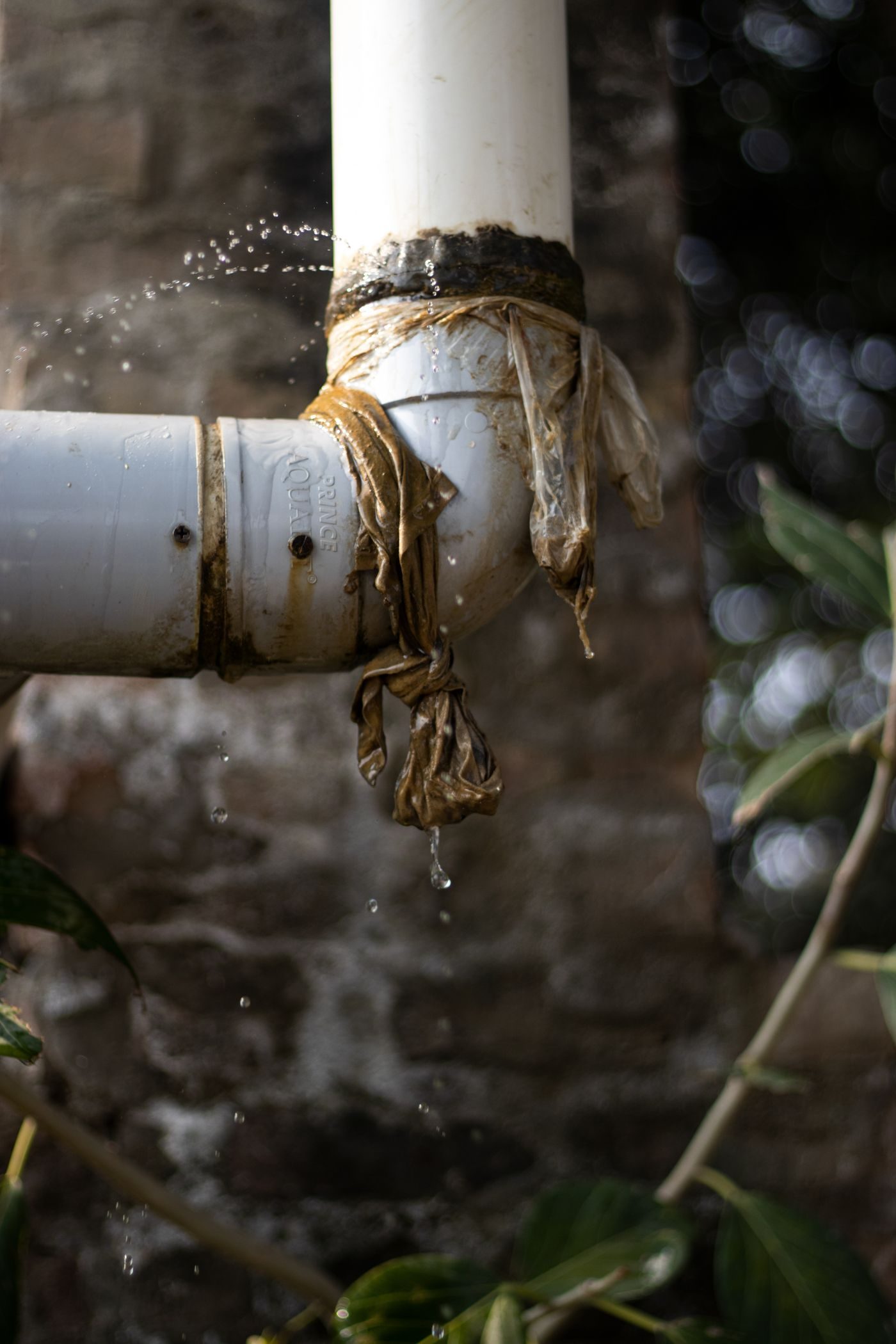
It usually announces itself as a sound first — water running where no water should run, a hiss inside a wall, or the slap of water hitting tile in a dark hallway in a Miami or Fort Lauderdale home. A burst pipe at 2 AM feels like a disaster in progress, and in one sense it is: a failed supply line can release hundreds of gallons an hour, and in South Florida's humidity every hour of soaking is an invitation for mold to follow the flood.
But the outcome of a burst pipe is decided less by the break than by the first thirty minutes. Homeowners who shut the water off fast and work a short, calm checklist typically end up with a plumbing repair and some drying. Homeowners who spend those minutes hunting for towels end up with a renovation. This guide is written to be read after the valve is closed — shut it off first, then read this.
Minute One: Shut the Water Off
Go straight to the main shut-off valve. In most South Florida homes it is one of two places: where the main line enters the house (often near the front wall, the garage, or the water heater), or at the meter box near the street or sidewalk, which has a homeowner-side valve next to the meter. Turn a gate valve clockwise; a ball valve's handle turns a quarter-turn until it sits across the pipe. If you can isolate just the broken section — many homes have shut-offs for individual fixtures or zones — do that; if you cannot identify the break's feed in seconds, close the main and sort it out dry.
While the water drains down, protect against the second hazard: electricity. If water is pooling near outlets, appliances, the water heater, or the electrical panel, stay out of the standing water and switch off the affected circuits at the breaker box if you can reach it on dry ground. Never wade into water that may be in contact with live electricity. Once the main is closed, open a low faucet or outdoor spigot to drain pressure from the lines and confirm the flow at the break slows to a stop — that tells you the right valve is closed.
- ▸Main shut-off: at the house entry point or in the meter box by the street
- ▸Ball valve: quarter-turn until the handle sits across the pipe; gate valve: clockwise
- ▸Cannot isolate the break fast? Close the main — sorting it out comes second
- ▸Water near outlets or the panel: keep out of it and cut the circuit from dry ground
- ▸Open a low faucet afterward to drain pressure and confirm the break stops flowing
Minutes Five to Thirty: Limit the Damage
With the water off, the job becomes removal and documentation, in that order. Move what you can out of the wet area — furniture legs, rugs, boxes, electronics — and get standing water up with towels, a mop, or a wet-dry vacuum if you have one. South Florida's slab-on-grade construction means water spreads along tile and into baseboards and drywall quickly; pulling baseboard-adjacent water and running the air conditioning or fans to move air helps, but the real goal of the first half hour is simply getting bulk water out of the house. If a ceiling below the break is bulging, stay out from under it — a water-loaded ceiling can come down — and let it be handled as part of the repair visit.
Then document before you clean further: phone photos and a short video of the break, the wet rooms, and any damaged belongings, plus a note of when you discovered it and when the water was shut off. If the damage is significant, that record is what a homeowners insurance claim runs on, and it takes three minutes while everything is still exactly as it happened. Save any failed part the plumber removes — a split fitting or corroded section is evidence of cause, and insurers and warranties both care about cause.
What Not to Do Before the Plumber Arrives
Do not turn the water back on to test whether it stopped. A burst line under full pressure will simply resume flooding, and partial failures — a cracked fitting holding at low pressure — let go completely on the second pressurization. Do not rely on tape, clamps, or hardware-store patch kits as anything more than a few hours of insurance on a line that stays depressurized; on a pressurized supply line they are decorations. And do not cut into a wall or ceiling chasing the sound of water while the system could still be live elsewhere in the house — the break you hear is not always the break that matters, and an opened wall in the wrong place is a second repair.
One more South Florida-specific caution: do not assume a burst is random bad luck until someone has looked at the pipe around it. Pinhole corrosion, a failing pressure regulator sending street pressure straight into the house, or deteriorated pipe from a particular era of construction can all burst one section this month and the next section in the spring. The emergency is stopping tonight's water. The useful question for the morning is why it burst — because the answer decides whether you need a repair or a plan.
How the Repair Itself Usually Goes
An emergency plumber's first job on arrival is confirmation: the water is truly off, the break is located — by access, by moisture, or by listening and pressure testing — and the damage is bounded. The repair itself is usually a cut-and-replace: the failed section comes out and new pipe and fittings go in, with access through the smallest practical opening if the line is in a wall or ceiling. On slab-routed lines, a provider may discuss rerouting the replacement through the attic instead of breaking concrete — a common and often smarter South Florida approach that deserves a real conversation rather than a 3 AM commitment.
Before the provider leaves, expect three things and ask for them if they are not offered: the system repressurized and every joint checked under full pressure, the rest of the visible run of that pipe inspected for the same failure mode, and a plain statement of what failed and why. If the cause points to system-wide deterioration — widespread corrosion, very high incoming pressure — the honest next step is a scoped follow-up visit and a written assessment, not a whole-house decision made in a wet hallway at night.
Tonight vs. Tomorrow: Making the Call — and Getting Matched With a Pro
If the main is closed, the flooding has stopped, and no electrical hazard remains, you have converted an emergency into an urgent repair — many homeowners safely wait for morning at that point, with no water service as the trade-off. Call tonight, regardless, if you cannot find or close the shut-off, if water reached the electrical panel, if a ceiling is sagging, or if the home cannot be without water (medical equipment, for example). When in doubt, the call itself costs nothing and a dispatcher can help you judge.
PlumbCove connects South Florida homeowners with independent local plumbing providers for emergency work. Request a local pro through our emergency plumber page, or call 786-741-7667, and tell us where the break is, whether the main is closed, and how much water got out. We will match your request with a provider who can respond and repair in person. You hire the provider directly — we simply make the connection.
Rather have a pro look at it?
If the checks above point past the safe DIY line, request a local pro for Emergency Plumber — or call 786-741-7667. One request, independent local providers, you choose who to hire.